A Practical Guide to Fotona Laser Treatments Encino, CA
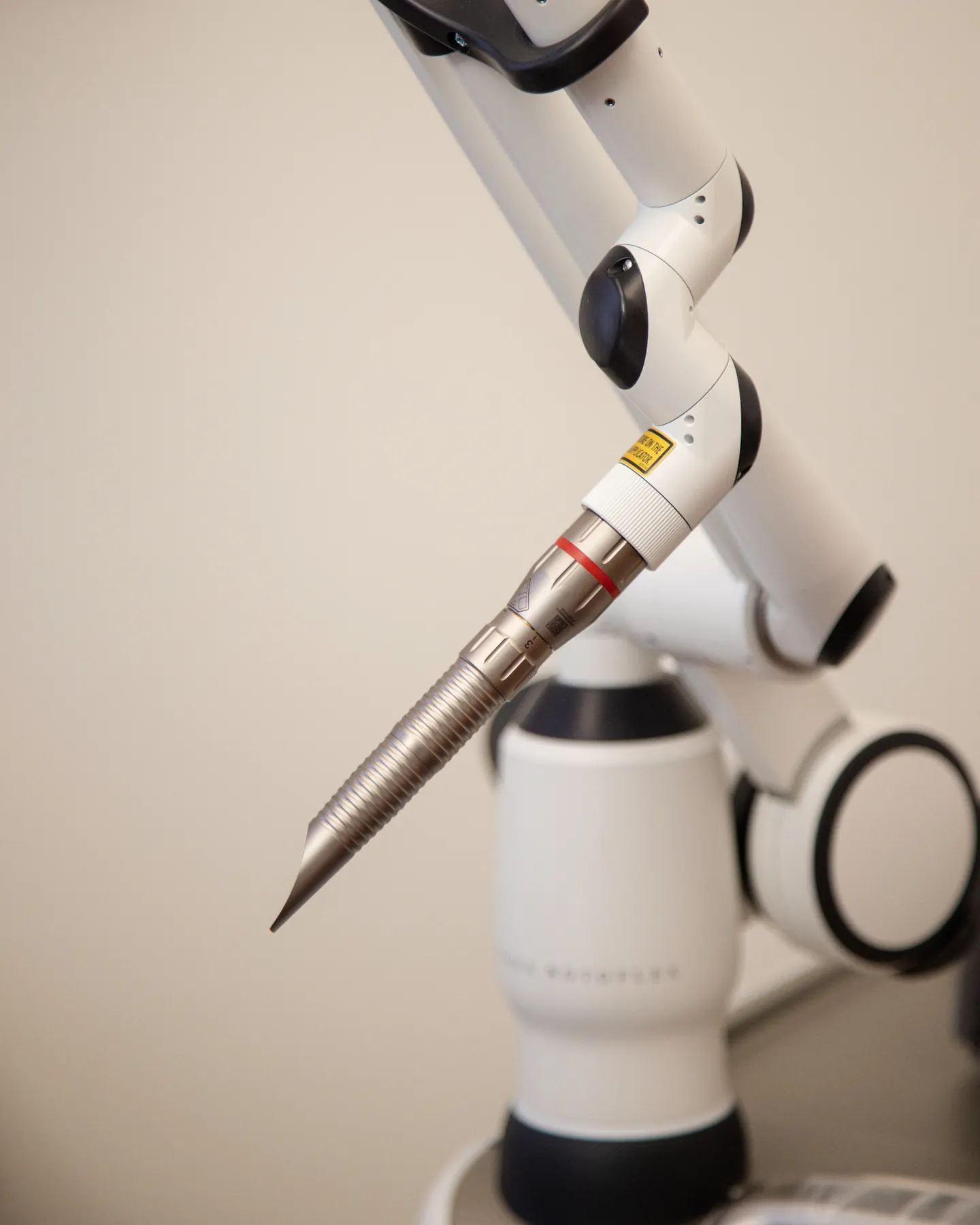
If you are researching Fotona Laser Treatments Encino, CA, you are probably trying to sort through a familiar mix of questions. Which concerns can this laser actually treat well? How much downtime should you expect? Does it hurt? Is it worth choosing a laser platform over fillers, peels, microneedling, or surgery?
Those are fair questions, and they matter because laser results are rarely about the device alone. Outcomes depend on settings, skin type, treatment goals, how aggressively the provider works, and how realistic the plan is from the start. In a place like Encino, where patients often want visible improvement without disappearing from work or social life for two weeks, Fotona has earned attention because it can be adapted to very different goals. Some people want fresher skin before an event. Others are trying to soften acne scars, reduce redness, tighten lax skin, improve texture around the mouth, or address gynecologic or vein concerns, depending on the clinic’s services and the specific Fotona platform they use.
The practical part is this: Fotona is not one treatment. It is a family of laser systems and protocols. That is where many consultations go sideways. Patients hear “Fotona laser” and assume every treatment under that name behaves the same way. They do not. Some are gentle and produce a mild pink flush that fades quickly. Others are much more intensive and can involve swelling, heat, and several days of visible recovery. Understanding that distinction makes it much easier to choose well.
What Fotona actually refers to
Fotona is a laser manufacturer known for medical and aesthetic laser systems that use wavelengths commonly associated with erbium:YAG and Nd:YAG technology. Those wavelengths are useful for different reasons. One tends to excel at resurfacing the skin and improving texture because it can target water in the tissue with precision. The other is often used for deeper heating, vascular concerns, collagen stimulation, and treatments that need more penetration.
In plain terms, Fotona systems are popular because they allow providers to work at different depths and with different levels of intensity. That flexibility is a big reason patients seeking Fotona Laser Treatments Encino, CA often hear terms like “tightening,” “resurfacing,” “rejuvenation,” or “scar revision” in the same conversation. The machine may be the same brand, but the treatment plan can look very different from one person to the next.
A patient in their early thirties with early textural change and enlarged pores might do well with a lighter series focused on collagen stimulation and refinement. A patient with etched lines around the mouth and sun damage from years of Southern California exposure might need a more aggressive resurfacing approach. Someone with acne scarring may need staged sessions with careful spacing rather than one dramatic procedure.
That range is useful, but it also means you should ask exactly which Fotona protocol is being recommended and what recovery will look like for that specific approach.
Why Encino patients tend to ask for it
Encino attracts a patient population that is often balancing appearance goals with a full schedule. People want results, but they also want to return to meetings, school pickups, workouts, and dinners without broadcasting that they had a procedure. That puts a premium on treatments that can be customized along a wide spectrum, from minimal downtime to more intensive correction.
There is also a climate factor. A lot of people in the San Fernando Valley have cumulative UV exposure, even when they are diligent now. The common complaints reflect that history: roughness, mottled tone, fine lines around the eyes, lip lines, early sagging, redness, and a dull, tired surface that makeup never fully fixes. Fotona treatments can be attractive in those cases because they often aim not just to “plump” but to improve the quality of the skin itself.
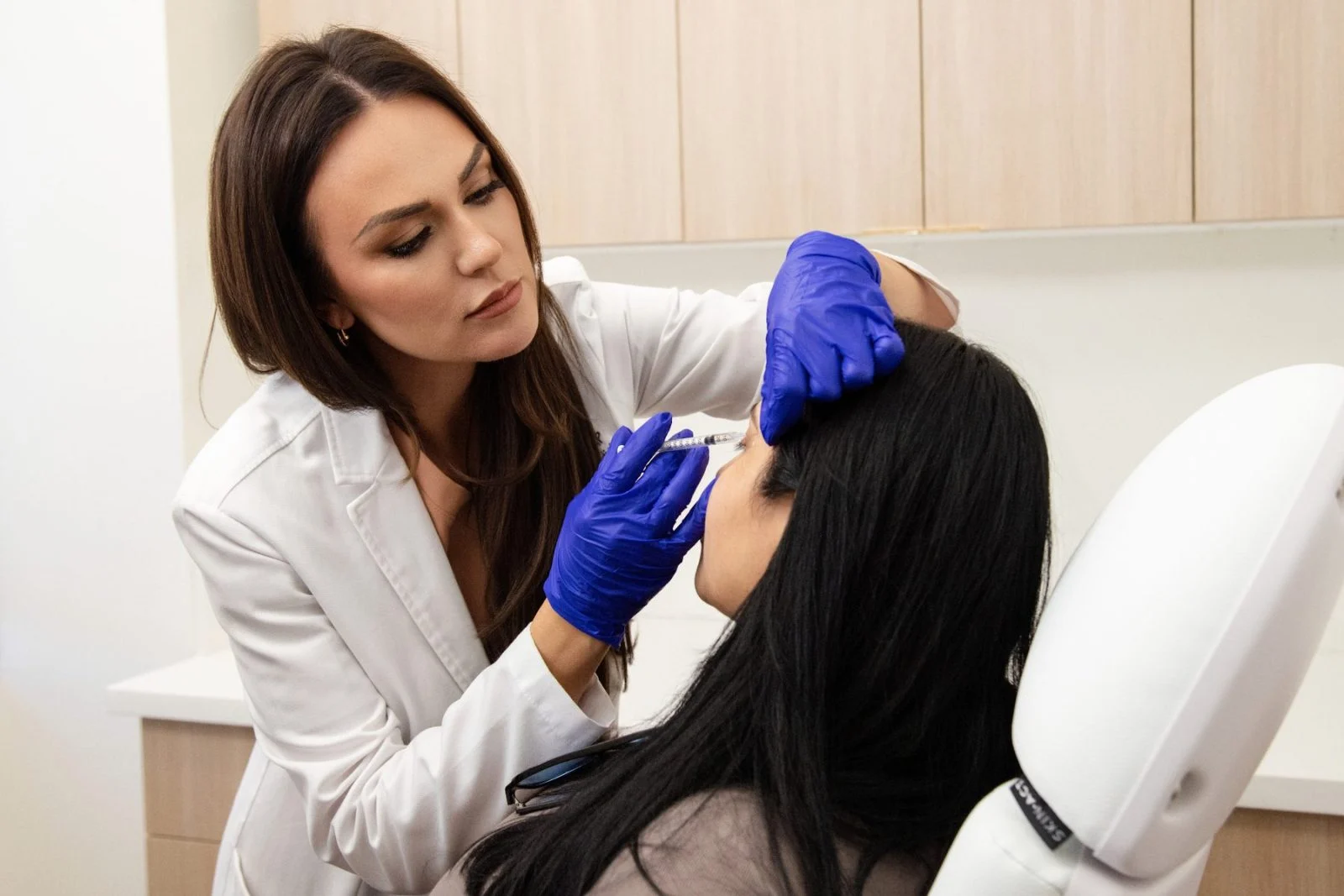
That distinction matters. Fillers can restore volume beautifully when volume loss is the issue. Neuromodulators can soften movement lines. But when the problem is crepey texture, uneven tone, or skin that looks weathered in certain light, a device-based treatment often belongs in the conversation.
Concerns Fotona may help address
The best candidates are usually not looking for magic. They are looking for measurable improvement in one or two specific areas. In my experience, patients are happiest when they come in saying, “I want my skin to look smoother and healthier,” rather than, “I want to look 15 years younger by next month.”
Common goals include:
- Softening fine lines and sun-related texture changes
- Improving acne scars and rough skin surface
- Tightening mildly lax skin, especially around the jawline or lower face
- Reducing certain vascular or redness-related concerns, depending on the device and settings
- Refreshing overall tone and radiance with less downtime than a fully ablative procedure
Not every clinic in Encino offers every Fotona application, and not every application is right for every skin tone or medical history. That is why the consultation matters more than the brand name.
The consultation is where good treatment plans begin
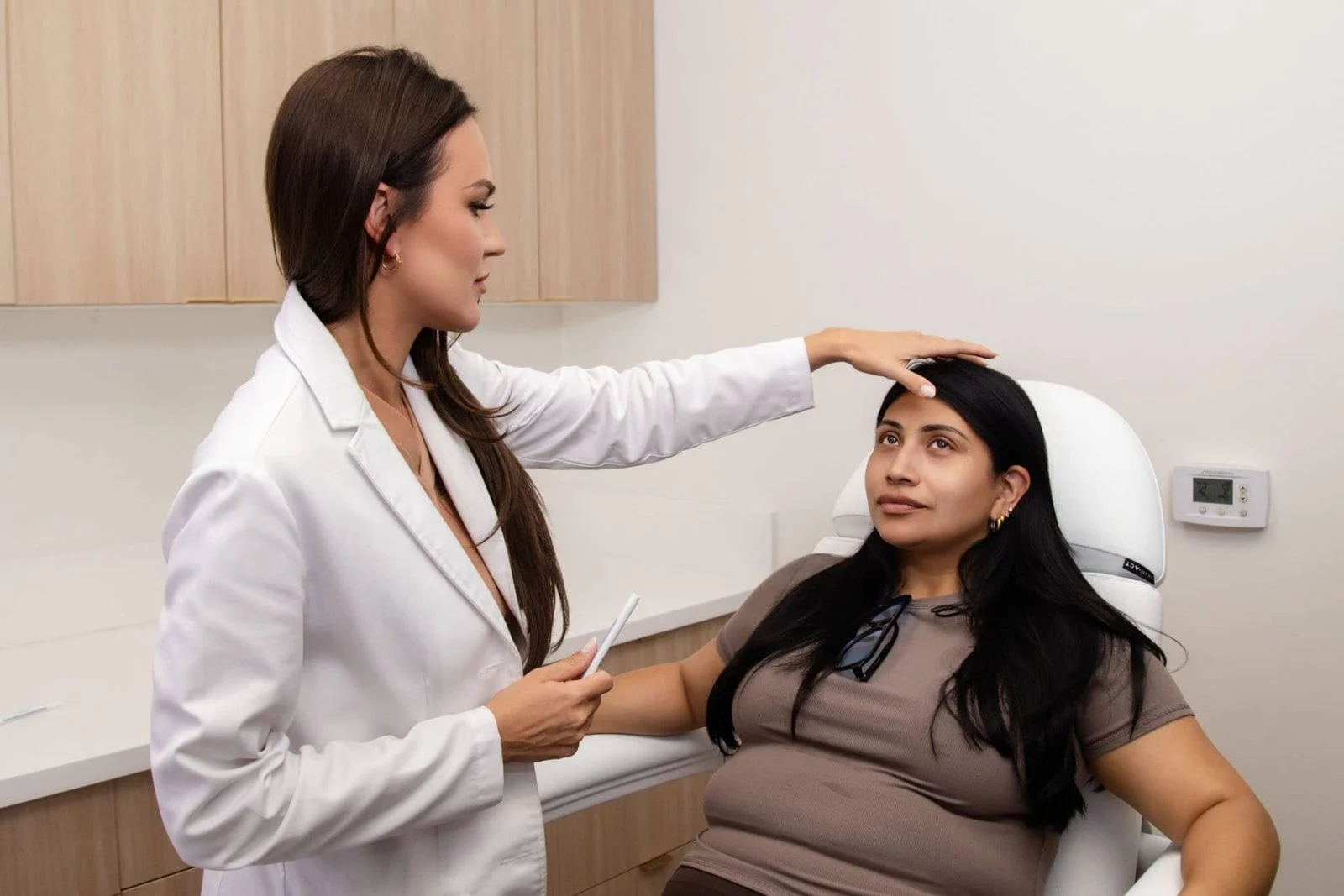
A worthwhile laser consultation is less about sales language and more about pattern recognition. An experienced provider will look at your skin in motion and at rest, ask what bothers you most, review prior treatments, discuss medications, check for melasma tendencies, ask about isotretinoin history, and assess how much downtime you can realistically manage.
That last part is not cosmetic trivia. If someone tells me they can tolerate redness for half a day but cannot show up to work puffy or flaky, that eliminates certain intensities immediately. It is much better to choose a lighter protocol and build gradually than to promise dramatic change with a recovery period the patient cannot tolerate.
A strong consultation should also separate concerns clearly. Fine lines from skin quality, deeper folds from structural volume loss, and sagging from tissue descent are not the same problem. One of the most common disappointments in aesthetics happens when a patient expects a laser to substitute for a treatment category it does not replace. Fotona can improve skin tone, texture, and some laxity. It does not recreate the lift of surgery when significant sagging is present. It does not replace filler when there is obvious hollowing. It can complement those treatments, often very well, but it should not be framed as a universal answer.
What treatment day usually feels like
This varies with the protocol, but most Fotona sessions are defined by heat, snapping, or a prickly sensation rather than sharp pain throughout. Some treatments use topical numbing, some do not require much preparation, and more intensive resurfacing settings may involve stronger comfort measures.
A lighter session may feel warm and brisk, with repeated passes that leave the skin pink and slightly swollen. A more intensive resurfacing treatment can feel much hotter and leave the skin looking raw or bronzed for several days, depending on the degree of ablation or thermal effect created.
The treatment itself may be surprisingly fast once the prep is done. The longer part is often photography, cleansing, numbing when needed, and post-care review. Patients sometimes underestimate the importance of aftercare because the procedure feels so technical. In reality, the days after treatment play a major role in comfort and results.
Downtime, honestly described
This is where clinics should be direct. “Minimal downtime” means different things to different people. For some patients, being pink for two days is no issue. For others, any visible redness is a problem.
With gentler Fotona treatments, you may see temporary redness, mild swelling, a sensation similar to a sun-warmed face, and dryness over the next day or two. Makeup may be possible fairly soon, depending on the exact treatment and your provider’s instructions.
With stronger resurfacing approaches, expect a more conspicuous recovery. Skin can feel tight, look red or bronzed, and develop roughness or shedding as it heals. Around the mouth and eyes, swelling may be more noticeable than patients expect. If your provider says you can return to normal activities quickly, ask what your face is likely to look like on day two and day three, not just whether you are medically cleared to go to work.
That question alone often clarifies whether a planned treatment matches your schedule.
The results timeline most people should expect
Laser outcomes rarely reveal themselves all at once. Some patients leave with an immediate glow because swelling and hydration create a temporarily polished look. That is not the final result. True improvement usually unfolds over several weeks as the skin barrier recovers and collagen remodeling progresses.
Texture changes can become more apparent after the initial recovery phase settles. Tightening tends to be subtler and slower. Acne scar improvement usually requires patience and a series, especially if scars are tethered or mixed in type. Deeper lines may soften without disappearing.
A practical mindset helps here. If a fine etched line is reduced by 30 to 50 percent and the surrounding skin looks smoother and more reflective, that can make the face look considerably fresher, even though the line is still present on close inspection. The mirror often rewards overall skin quality more than isolated perfection.
Who tends to be a strong candidate
Good candidates are not defined by age alone. They are defined by fit. Someone in their late twenties with acne scarring may be an excellent candidate. Someone in their sixties with significant sun damage and realistic expectations may be an excellent candidate too.
In general, the best candidates tend to have a clear primary concern, a willingness to follow pre and post care instructions, and an understanding that laser improvement is often cumulative. They also need a provider who understands how to tailor settings to skin type and history. That is especially important for patients with a tendency toward post-inflammatory hyperpigmentation or melasma-like patterns. A strong device in careless hands can create a longer problem than the one you came in to fix.
The candidates who struggle most are often those chasing a one-visit transformation for a problem that developed over ten years. That is not a moral failing. It is just where disappointment starts.
Questions worth asking before you book
You do not need to interrogate a clinic, but a few targeted questions can save time and frustration.
- Which specific Fotona treatment or protocol are you recommending for my concern?
- How many sessions do patients like me usually need to see worthwhile improvement?
- What will I likely look like the next day, three days later, and one week later?
- Have you treated my skin type and this exact concern many times?
- What alternatives would you recommend if I want either less downtime or more aggressive correction?
Those questions tend to reveal whether the provider is thinking in a customized, medically grounded way or simply naming a popular device.
How Fotona compares with other common options
Fotona sits in an interesting middle ground because it can overlap with several treatment categories without being identical to any of them.
Compared with a chemical peel, a Fotona treatment may allow more precision and broader control over depth and thermal effect, depending on the protocol. Peels can still be excellent, especially for pigment and surface refresh, but they do not always offer the same versatility.
Compared with microneedling or radiofrequency microneedling, Fotona may be preferred for certain textural issues or resurfacing goals, while microneedling approaches may fit other patients better based on downtime tolerance, pigment risk, or scar type. Neither category wins universally.
Compared with fillers and neuromodulators, Fotona works on a different layer of the problem. It improves skin quality more directly, while injectables address movement and volume.
Compared with surgery, laser can refine and refresh, but it cannot replicate the structural repositioning a surgical lift provides.
That is the real-world perspective patients need. The question is not whether Fotona is “better” than everything else. The question is whether it is the right tool for your concern, your skin, and your tolerance for recovery.
Cost, value, and what people often miss
Pricing for Fotona Laser Treatments Encino, CA can vary substantially because not all sessions are created equal. A quick, lighter treatment is not equivalent to a more aggressive resurfacing procedure, even if the same brand name appears on the consent form. The area treated, time involved, provider expertise, and whether you need a package or a single session all affect cost.
Value should be measured against the plan, not the line item. A cheaper treatment that is too weak for your concern can become expensive if it leads to repeated visits with little visible change. A pricier, well-chosen protocol performed by an experienced provider may be more economical in the long run because it actually addresses the issue.
Patients also tend to overlook the cost of aftercare and the practical cost of downtime. If you need to schedule around work, childcare, or public-facing obligations, a treatment that fits your life may be worth more than one that looks cheaper on paper.
Preparation and aftercare matter more than many expect
Preparation is usually straightforward, but it deserves respect. Clinics often recommend avoiding unnecessary sun exposure before treatment. Depending on your history, they may also review active skincare products, recent tans, cold sore history, or medications that affect healing.
Aftercare is where disciplined patients separate themselves from impatient ones. Freshly treated skin does not appreciate experimentation. The barrier may be temporarily compromised, and overusing acids, retinoids, scrubs, or fragranced products too soon can turn a smooth recovery into prolonged irritation.
Most people do best when they think in simple terms for the first several days: gentle cleansing, bland hydration, sun avoidance, and strict sunscreen use once cleared by the provider. If the treatment was more intensive, meticulous wound care instructions matter. Do not freelance.
One anecdotal pattern comes up often in aesthetic practice. The patient who feels great on day two and decides to resume all active products early is often the one who calls on day four with unnecessary redness. Healing skin is not a test of bravery.
The importance of matching the treatment to skin tone
Any responsible discussion of lasers has to address this. Skin of color can absolutely be treated with lasers, but it requires thoughtful device selection, conservative planning when appropriate, and a provider who understands pigment behavior. The risk is not that darker skin cannot benefit. The risk is using the wrong settings, wrong timing, or wrong indication.
That is particularly relevant in diverse communities around Encino and greater Los Angeles. If you have a history of hyperpigmentation after acne, waxing, or minor irritation, mention it. If you have melasma, mention it early. If you recently had significant sun exposure, mention it. Those details are not side notes. They shape whether treatment should proceed and how aggressive it should be.
How to judge results without fooling yourself
Before and after photos are useful, but they need context. Lighting, facial expression, makeup, and swelling can all distort perception. The best way to evaluate your own progress is to compare photos taken in consistent light at similar angles several weeks after treatment, not the morning after when the skin may look temporarily plump.
Also, decide what success means before you start. If your main complaint is acne scars on both cheeks, do not let yourself get distracted by a slightly brighter forehead and decide the treatment “did nothing.” Track the target issue. Good providers do this naturally. They define the endpoint before the OMNIA Wellness Center Fotona Laser Treatments Encino, CA first pulse.
Choosing a clinic in Encino with good judgment
For many people looking into Fotona Laser Treatments Encino, CA, the hardest part is not deciding whether they want laser treatment. It is deciding where to go. Technology matters, but judgment matters more.
Look for a clinic that does not rush the consultation and does not promise every patient the same glossy result. You want specificity. What are they treating, how many sessions do they think you need, what are the realistic gains, what are the trade-offs, and what would make them tell you not to do it? That last question is underrated. A trustworthy provider can explain when Fotona is not the best choice.
It also helps when the clinic can speak fluently about combination care. Real faces often benefit from more than one modality over time. A patient might eventually pair laser with injectables, skincare, pigment management, or a separate tightening approach. The best plans are coherent, not opportunistic.
When it is probably not the right time
Even a great treatment can be the wrong treatment at the wrong moment. If you have a Fotona Laser Treatments Encino, CA major event in a week, active infection, irritated skin, recent heavy sun exposure, or expectations that hinge on instant perfection, it may be smarter to postpone. Patients sometimes push for aggressive timing because they are excited, then regret doing a visible treatment too close to a wedding, conference, vacation, or family photos.
There is no prize for squeezing laser into a bad window. Good aesthetic medicine is not just about what can be done. It is about what should be done now.
A practical way to think about your next step
If you are considering Fotona, focus less on brand mystique and more on fit. What problem are you trying to solve? How visible can your downtime be? Are you looking for skin quality improvement, scar revision, tightening, or all three over time? How many sessions are you willing to commit to? Those answers will tell you more than any marketing phrase.
For the right patient, under the right plan, Fotona Laser Treatments Encino, CA can be a strong option. The appeal is not that the treatment is trendy. It is that it can be calibrated with nuance. And in aesthetics, nuance is where good outcomes live.
OMNIA Wellness Center
Address: 16430 Ventura Blvd Ste 207, Encino, CA 91436
Phone number: +18183868511
FAQ About Fotona Laser Treatments Encino, CA
What is a Fotona laser good for?
A Fotona Laser system is a versatile, dual-wavelength medical laser used primarily for non-surgical skin tightening, anti-aging rejuvenation, and dermatological treatments.
How much does the Fotona laser cost?
The cost of a Fotona laser depends heavily on whether you are looking to purchase a laser machine for a medical practice or are a patient seeking a laser treatment at a medspa.
Is a Fotona laser worth it?
A Fotona laser treatment is generally worth it if you want non-surgical skin tightening, improved texture, and collagen stimulation with very little downtime.