How Fotona 4D Laser Facial (TimeWalker) Fits Into a Skincare Plan in Encino, CA
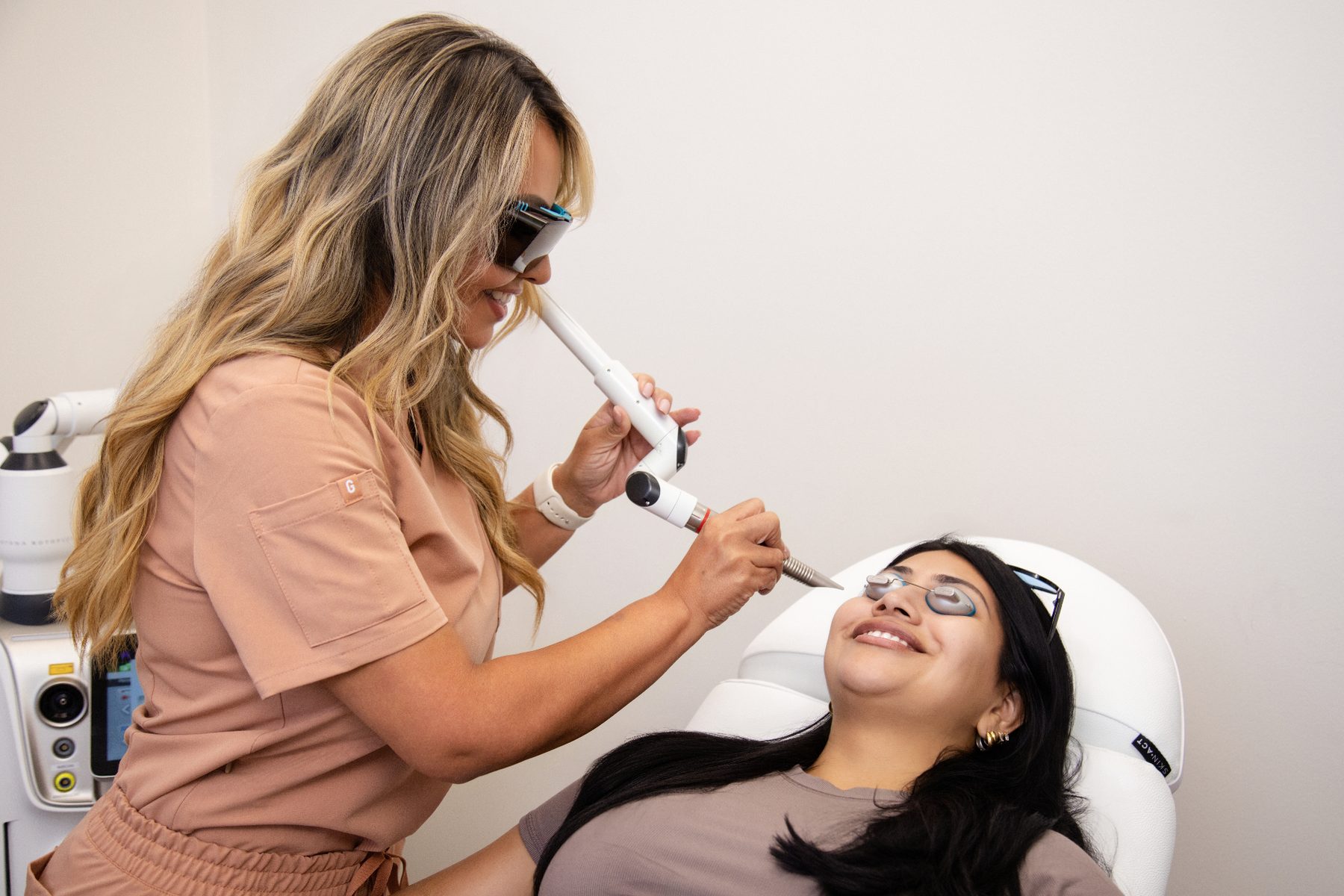
A good skincare plan is rarely about one heroic treatment. It is usually a layered approach, built around daily habits, seasonal adjustments, and procedures that do a specific job well. That is where the Fotona 4D Laser Facial, often discussed alongside TimeWalker technology, tends to make sense. It is not a replacement for sunscreen, prescription topicals, or a thoughtful in-office routine. It is a tool, and like any worthwhile tool, its value depends on where it fits.
For patients in Encino, the question is often less, “Does this laser work?” and more, “How do I use it without overdoing my skin or wasting money on overlapping treatments?” That is the practical conversation. People want better tone, firmer skin, a smoother surface, and a fresher look, but they also want to keep their skin barrier intact, stay presentable for work and social life, and avoid stacking treatments that compete with each other.
The phrase Fotona 4D Laser Facial (TimeWalker) Encino, CA gets a lot of attention because it suggests a modern, non-surgical path to rejuvenation. That can be true, but the real value shows up when the treatment is placed inside a broader plan with the right timing, the right expectations, and the right supporting skincare.
What Fotona 4D actually brings to a skincare plan
Fotona 4D is best understood as a multi-layer laser treatment designed to address several signs of aging in one session. Instead of treating only the skin surface, it typically works through different modes and depths, including intraoral treatment inside the mouth, deeper tightening, and more superficial resurfacing. The appeal is obvious. Many people do not have the appetite for a prolonged recovery, and they do not necessarily need aggressive ablative resurfacing. They want visible change with manageable downtime.
In practice, this makes Fotona 4D useful for patients who are seeing early to moderate laxity, softening jawline definition, crepey texture, fine lines around the mouth, or skin that looks tired even when they are sleeping well. It can also be a smart middle path for those who are not ready for surgery but know that creams alone are not going to lift, tighten, or stimulate meaningful remodeling.
That said, laser treatments live in a reality shaped by skin biology. Collagen remodeling takes time. Texture improves gradually. Tightening is real, but subtle compared with surgery. The best outcomes come from patients who understand that a laser facial is one part of a strategy, not the whole strategy.
Why Encino patients often benefit from a plan, not a single treatment
Encino has a particular lifestyle rhythm that affects skin care decisions. People tend to want treatments that Fotona 4D Laser Facial (TimeWalker) Encino, CA allow them to return to meetings, school pickups, workouts, dinners, and weekend events without looking obviously “done.” There is also the California sun factor, which matters more than many people admit. Even a strong in-office treatment will underperform if someone goes back to casual UV exposure, skips hats, or treats sunscreen like an optional accessory.
A common pattern looks like this: someone invests in a laser because they want tightening and brightness, sees some improvement, then slips back into inconsistent home care. Within a few months, they feel like the treatment “didn’t last.” Often, the laser is not the problem. The missing piece is maintenance. Sun exposure, untreated pigmentation triggers, dehydration, and chronic inflammation can blunt how long the skin keeps that refreshed look.
That is why a proper plan matters. The laser creates an opportunity. What follows determines how much you keep.
The patients who tend to be good candidates
Not every concern belongs to the same device. Some people need pigment correction more than tightening. Some need volume restoration more than resurfacing. Some are primarily dealing with redness, active acne, melasma, or severe laxity, which may call for a different sequence or a different modality entirely.
Fotona 4D often fits best for adults who want improvement in skin quality and mild to moderate laxity without surgical downtime. It is commonly appealing to patients in their late 30s through 60s, although age matters less than skin condition. A healthy 58-year-old who has protected their skin for years may respond beautifully. A 42-year-old with heavy sun damage, smoking history, or poor routine may need more groundwork first.
A careful consultation should look at more than wrinkles. Skin tone, barrier function, history of cold sores, medication use, rosacea tendency, recent tanning, and prior procedures all matter. If someone has irritation from overuse of retinoids, acids, and exfoliating cleansers, jumping straight into laser treatment can create unnecessary trouble. Preparing the skin is often underrated, but it pays off.
Where it fits compared with good daily skincare
One of the biggest misunderstandings in aesthetics is the idea that procedures and products compete. They do not. They cover different jobs.
Daily skincare handles protection, maintenance, and inflammation control. A laser handles remodeling, tightening, and texture change at a level products cannot reach. A retinoid can improve fine lines over time, support collagen, and help with acne or tone. It cannot replicate the tissue effects of a laser. By the same token, a laser cannot replace a broad-spectrum sunscreen worn every morning.
When I see the strongest long-term results, the patient usually has a home routine that is simple, tolerable, and consistent. Not ten products. Usually four or five that they will actually use.
Here is the kind of routine that pairs well with a treatment plan built around laser rejuvenation:
- A gentle cleanser that does not strip the skin.
- A morning antioxidant or other supportive serum if tolerated.
- A moisturizer matched to the patient’s skin type and barrier status.
- A nightly retinoid or retinol, adjusted around treatment timing.
- A broad-spectrum sunscreen, ideally used every day and reapplied when appropriate.
That list looks almost boring, which is part of the point. Fancy routines often fail because they are too irritating or too hard to sustain. If a patient is using multiple acids, scrubs, peels, and strong actives all at once, the skin often arrives at treatment already inflamed. In those cases, the first win is not the laser. It is calming the routine down.
Timing matters more than most people expect
A well-timed laser session fits into real life. A poorly timed one creates frustration. This becomes especially relevant in Southern California, where outdoor exposure is common year-round.
Most practitioners will advise avoiding significant sun exposure before and after treatment. That sounds easy until you look at a patient’s calendar and find beach days, tennis, hiking, pool weekends, and travel. If someone is planning a desert trip, a tropical vacation, or a lot of outdoor events, it may be smarter to postpone rather than force the treatment into the wrong window.
The same goes for the rest of the skincare calendar. If a patient has recently done a medium-depth peel, started an aggressive acne regimen, or is in the middle of another series such as microneedling, spacing matters. Skin responds better when it is not constantly being provoked. There is a difference between strategic stimulation and cumulative irritation.
For many patients, a good rhythm is to use Fotona 4D as a centerpiece treatment a few times, then shift into maintenance spaced out over months. The exact schedule depends on goals, age, baseline laxity, and how the skin responds. Some people notice that one session gives them a healthy reset. Others need a short series to see a level of improvement that feels worthwhile.
How it pairs with injectables, peels, and other office treatments
This is where judgment matters. A common mistake is assuming more treatments automatically mean better results. Sometimes they do. Sometimes they just create overlap and expense.
Fotona 4D can pair well with injectables because they solve different problems. Neuromodulators soften dynamic lines caused by repeated muscle movement, especially in the upper face. Fillers restore volume or structure where tissue loss is the main issue. The laser improves skin quality, texture, and some degree of tightening. Used thoughtfully, they can complement each other rather than compete.
Chemical peels may still have a role, especially for dullness, superficial pigment irregularity, or acne-prone skin. But if someone is already doing laser resurfacing, there is usually no prize for piling on strong peels too close together. The skin can only recover so fast. Some patients benefit more from fewer, better-spaced interventions and a calmer maintenance routine.
Microneedling is another common comparison. It can be excellent for certain texture concerns, acne scarring, and collagen support. Whether it belongs in the same plan depends on the patient’s goals and tolerance. Some clinics alternate modalities over time. Others choose one primary approach based on what is likely to move the needle most.
The best plans are usually selective. If someone has forehead lines, under-eye hollowing, and lower-face texture changes, it is reasonable to use different tools for different zones. Trying to make one treatment fix every issue usually leads to disappointment.
What recovery and downtime really look like
Downtime is one of those terms that sounds simple until you ask five different patients what it means. For one person, mild redness for a day is nothing. For another, any visible after-effect feels disruptive.
Most patients describe post-treatment skin as warm, flushed, or slightly puffy for a short period, with some variation depending on settings and treatment depth. A rougher or drier feel can show up as the skin recovers. Makeup timing varies depending on the protocol used and the provider’s instructions. So does the level of social downtime. Some people are comfortable returning to normal activities quickly. Others prefer a couple of quieter days.
The practical point is that “minimal downtime” does not mean “zero evidence.” It means the recovery is usually manageable compared with more aggressive resurfacing options. Patients who understand that upfront tend to feel much happier. Patients who book a major event the next day and expect to look fully camera-ready often regret the timing.
What people often notice first, and what takes longer
The first changes are not always the deepest changes. Soon after treatment, many patients notice a fresher surface look, a bit more glow, and a sense that the skin feels tighter or more awake. That early response can be encouraging, but the longer game is collagen remodeling. That part unfolds more gradually.
This matters because some people judge the entire result too early. They either get excited by immediate brightness and expect a dramatic transformation, or they dismiss the treatment before the slower structural benefit has time to show. Patience matters. So does honest framing. A non-surgical laser treatment can absolutely improve the quality of aging skin, but subtle, cumulative improvement is the usual story, not overnight reinvention.
Building a year-round strategy in Encino
Seasonality is not as dramatic in Encino as it is in colder climates, but there is still a rhythm. Summer and early fall often require stricter discipline around UV exposure. Winter and spring can be more forgiving for procedures that benefit from less sun.
A practical annual plan might involve scheduling a series during a lower-sun period, then shifting into maintenance while emphasizing pigment prevention and barrier support during brighter months. Someone with a history of hyperpigmentation or melasma needs even more caution. In those cases, pre-treatment skin prep, diligent sun avoidance, and realistic expectations are essential.
There is also the issue of heat exposure beyond sunlight. Saunas, intense workouts, and long hot showers right after treatment can irritate recovering skin. Patients who exercise daily do best when that conversation happens in advance. If they know they may need to modify activity briefly, compliance is much better.
The home care changes that make the biggest difference after treatment
After a laser session, the goal is not to prove how tough your skin is. The goal is to support healing. This is where patients either protect their investment or quietly sabotage it.
For a short window after treatment, the skin usually benefits from gentler products, more hydration, and a pause on strong active ingredients as directed by the treating provider. Once the skin has recovered, active skincare can be reintroduced in a more strategic way.
The patients who tend to preserve their results best usually follow a few habits closely:
- They use sunscreen daily and take sun avoidance seriously.
- They restart actives only when the skin is ready, not when they get impatient.
- They keep the barrier healthy with appropriate hydration and moisturizer.
- They avoid the urge to add every trendy exfoliant at once.
- They return for maintenance before the skin fully slides back to baseline.
These habits sound ordinary because they are. Yet ordinary habits are what protect professional treatment outcomes.
When Fotona 4D is not the best first move
There are plenty of cases where another step should come first. A patient with uncontrolled acne may need acne management before laser rejuvenation becomes worthwhile. A patient with significant volume loss may be disappointed if they expect a tightening treatment to replace structural support. A patient with severe skin laxity may be happier after a frank discussion about the limits of non-surgical options.
Pigment disorders deserve particular caution. If someone has a history of post-inflammatory hyperpigmentation or melasma, that does not automatically rule out treatment, but it does raise the stakes for proper selection and settings. Likewise, if the skin is recently tanned, irritated, or over-exfoliated, pressing ahead simply because the appointment is booked is not good medicine.
This is one reason experienced providers matter so much. The right treatment at the wrong time is still the wrong treatment.
Cost, value, and the question patients actually mean to ask
When patients ask whether a laser facial is “worth it,” they are usually asking something more specific. They want to know if the result will be visible enough, durable enough, and sensible enough compared with alternatives.
That answer depends on the problem being treated. If a patient’s main frustration is etched expression lines from muscle movement, they may get more obvious value from neuromodulators. If the issue is lower-face heaviness or more advanced laxity, a laser may help but not to the degree they want. If the complaint is that the skin looks dull, lax, uneven, and generally less alive than it did a few years ago, Fotona 4D may be exactly the kind of treatment that brings several moderate improvements together in a satisfying way.
Value also improves when the plan is coherent. A patient who does the right treatment, at the right interval, with the right home care, often feels they spent wisely. A patient who bounces from device to device without a strategy often feels they spent a lot and never really arrived anywhere.
The role of expectation setting
The happiest laser patients are not always the ones with the most dramatic before-and-after photos. They are often the ones whose expectations matched the treatment. They wanted refinement, tightening, healthier-looking skin, and gradual improvement. That is where Fotona 4D shines.
If someone expects a single non-surgical session to erase years of aging, lift jowls substantially, remove every pore irregularity, and replace daily skincare, they are set up to feel underwhelmed. Precision matters here. Better skin quality is a realistic goal. Some tightening is realistic. Improvement in fine lines and surface texture is realistic. Surgery-level lifting is not.
That kind of honesty may sound less exciting in a consultation, but it creates much better long-term trust.
Making Fotona 4D part of a smart plan
The strongest skincare plans are built like good architecture. There is a foundation, there are structural choices, and there are finishing details. In that framework, daily sunscreen, a tolerable active routine, and barrier support form the foundation. Treatments like the Fotona 4D Laser Facial provide the structural work, collagen stimulation, tightening, and resurfacing that skincare alone cannot deliver. Then smaller additions, whether injectables, peels, or maintenance facials, become the finishing details.
For many patients searching for Fotona 4D Laser Facial (TimeWalker) Encino, CA, the best answer is not to ask whether the treatment is magic. It is not. The better question is whether it fits the skin you have, the goals you care about, and the habits you are willing to keep. When those pieces line up, it can be a very effective part of a modern, non-surgical rejuvenation plan.
And that is usually how the best aesthetic results happen. Not through one dramatic move, but through smart sequencing, restraint, and consistency.
OMNIA Wellness Center
16430 Ventura Blvd Ste 207, Encino, CA 91436
Phone: +1 818-386-8511
FAQ About Fotona 4D Laser Facial (TimeWalker) Encino, CA
What is a Fotona laser good for?
Fotona lasers support several different aesthetic protocols. The Fotona 4D facial uses two wavelengths and four treatment modes to address concerns such as fine lines, skin texture, and mild laxity. OMNIA Wellness Center offers the TimeWalker facial with an individual consultation. Suitability and likely improvement depend on the person's skin and goals; results are not guaranteed, and this treatment does not reproduce a surgical facelift.
How much does a Fotona laser treatment cost?
The cost depends on the treatment protocol, areas treated, number of sessions, and provider's assessment. Ask OMNIA Wellness Center for a current written quote that explains what is included, whether follow-up is included, and any proposed package terms. An individualized estimate is more useful than assuming that one advertised price applies to every facial treatment.
How much downtime is there after a Fotona laser procedure?
Recovery varies with the specific protocol and intensity. Fotona describes its 4D facial as having little to no downtime, but temporary redness or sensitivity can occur, and a stronger surface treatment can require more recovery. Ask the treating clinician what to expect from the planned settings, how to care for the skin afterward, and when to contact the clinic with concerns.